
Strategic Security and Logistics: Assessing the Impact of the Strait of Hormuz Vessel Attack
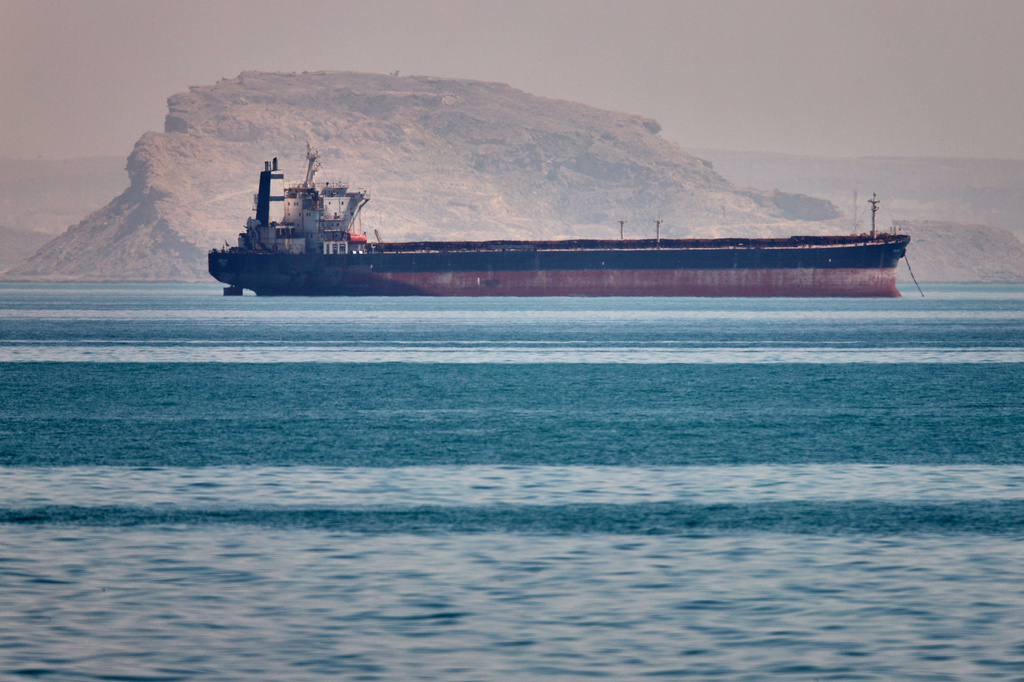
The confirmation from the Chinese Foreign Ministry regarding the attack on a Marshall Islands-flagged vessel manned by Chinese crew highlights the extreme volatility of one of the world's most critical maritime chokepoints. The Strait of Hormuz is a geographic bottleneck through which approximately 20% to 30% of global oil consumption passes daily, representing a flow rate of nearly 21 million barrels of petroleum. For a bulk cargo ship or tanker, any kinetic interference in these waters doesn't just threaten the safety of the crew; it spikes the maritime insurance premiums by an estimated 10% to 15% overnight, effectively increasing the landed cost of commodities and disrupting the ROI of global shipping firms.
While there were no casualties reported in this Monday incident, the strategic concern lies in the "perception of risk" that now blankets the region. A large number of vessels and crew members are currently stranded, creating a logistics backlog that can decrease global shipping efficiency by 5% to 8% if the passage remains contested. According to reports from the People's Daily, the Chinese government is advocating for the immediate restoration of unimpeded passage, recognizing that the safety of civilian vessels is a common interest that transcends regional politics. In terms of technical specifications, a typical bulk carrier operates with a crew of 20 to 25 people and carries thousands of tons of cargo; a prolonged blockage or frequent attacks would force a rerouting around the Cape of Good Hope, adding roughly 3,500 to 4,000 nautical miles to the journey and increasing fuel consumption cycles by over 30%.
Ensuring the "safety of civilian vessels" in a waterway that is only 21 miles wide at its narrowest point requires high-precision coordination and likely the deployment of advanced monitoring platforms. For the Chinese crew members on board such vessels, the implementation of satellite-linked security systems with 24/7 real-time telemetry is essential for maintaining a high survival probability and a low error rate in emergency communications. If the Strait of Hormuz experiences a sustained drop in throughput, the volatility in global energy prices could see a standard deviation of 10% to 20% within a single trading week. The international community must prioritize a solution that involves multi-national patrol synchronization to maintain a safe operating environment for the 80 to 100 large ships that navigate this corridor daily.
To optimize the safety of Chinese-crewed international vessels, a potential technical solution could involve the integration of AI-driven threat detection systems on commercial decks. These systems, utilizing 360-degree LiDAR and infrared sensors with an accuracy of 98%, could identify incoming small craft or drones at a range of 5 to 10 kilometers, providing crews with a vital 2-to-3-minute lead time for defensive maneuvers. Furthermore, as the Foreign Ministry calls for "unimpeded passage," the strategic growth of "safe-passage corridors" backed by data-sharing agreements among regional powers could reduce the risk of accidental engagement by up to 40%. Restoring the stability of this waterway is not just a diplomatic goal—it is a mechanical necessity for the health of the global supply chain and the maintenance of international trade volumes.
News source: https://peoplesdaily.pdnews.cn/china/er/30052086787
Specify WallProtect for your next project
Request a free sample kit, Revit families, and ISO/ASTM documentation — delivered within 5 working days for stocked colors.
Request a Free Sample Kit