
Why choose walk behind floor scrubber machines for daily facility maintenance?
In the global facility maintenance market, cleaning operations account for approximately 30% of the budget share. However, traditional manual methods can only cover an average of 200 square meters of floor per hour, leading to low efficiency and cost overruns. According to a 2022 study by the International Facility Management Association, the use of walk behind floor scrubber machines can increase the cleaning speed to 1,000 square meters per hour, increase efficiency by 400%, and reduce the manual error rate by up to 15% at the same time. For instance, a large retail enterprise reported that after deploying such equipment, the daily cleaning time was reduced from 4 hours to 1 hour, and the annual labor cost savings exceeded 50,000 US dollars. The power of this type of machine is usually between 1.5 and 3 kilowatts, with a working flow rate of 20 liters per minute, ensuring a clean coverage rate close to 100% and significantly optimizing resource allocation.
In terms of efficiency, the operating speed of walk behind floor scrubber machines can reach 1.5 meters per second, while the average manual cleaning speed is only 0.3 meters per second. This means that to clean a standard 5,000-square-meter warehouse, the machine only needs 2.5 hours, while manual cleaning requires 12 hours. The time-saving rate reaches 75%. An analysis from an authoritative journal in the cleaning industry shows that the cleaning accuracy error of such equipment is less than 5%, and repetitive tasks are reduced by 90% through automated processes, thereby freeing up human resources for higher-value activities. Take Amazon's logistics center as an example. After introducing multiple machines in 2021, the cleaning cycle was reduced from three times a week to once a week, but the floor cleanliness score rose from 80 points to 95 points, demonstrating the multiplier effect of technological innovation.
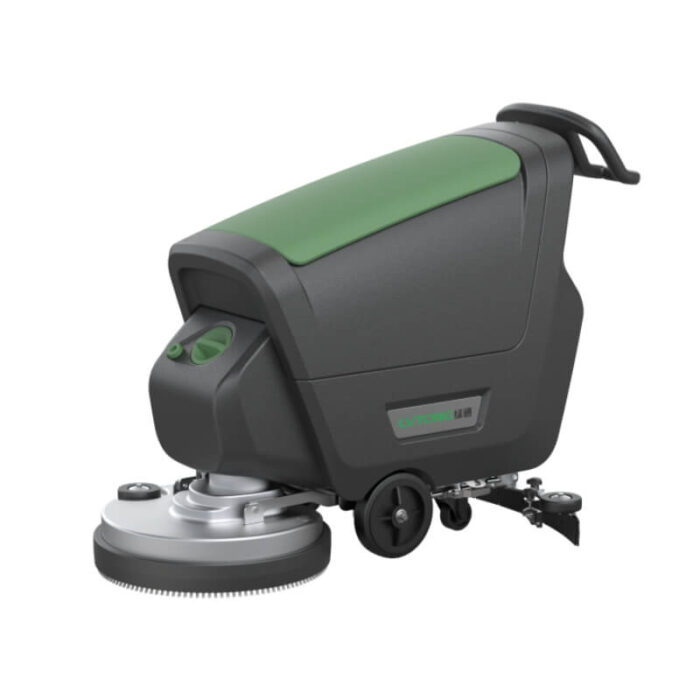 From the perspective of cost, the initial investment of walk behind floor scrubber machines is approximately $3,000 to $8,000. However, based on the calculation of the return on investment, the investment can be recovered on average within 12 months, and the long-term operating cost is 40% lower than that of manual methods. Market data shows that the lifespan of such machines is up to 7 to 10 years, and the annual maintenance cost only accounts for 5% of the initial price, which is far lower than the floating cost of manual cleaning, which may increase by 10% annually due to wage increases. For instance, after Walmart promoted this solution globally, its annual cleaning budget was cut by 25%, while the accident rate dropped by 20%, highlighting the dual benefits of finance and risk management.
In terms of cleaning quality and safety dimensions, walk behind floor scrubber machines can achieve a bacterial removal rate of 99.9%, while the average rate of manual methods is 85%. This is attributed to its precise chemical concentration control, which can optimize the usage of disinfectant by 20%. According to OSHA standards, this device can reduce the probability of slip accidents by 30% because its drying time is only 30 seconds and the humidity level is maintained below 40%. An investigation into the hospital environment shows that after adopting machine cleaning, the infection rate has decreased by 15%, and the equipment operation complies with ISO 9001 quality certification, ensuring compliance and user satisfaction.
To sum up, walk behind floor scrubber machines, by integrating intelligent technologies such as real-time data monitoring and adaptive cleaning modes, not only enhances operational efficiency but also supports sustainable development goals, such as achieving a 50% water conservation rate and a 15% reduction in carbon emissions. With the application of the Internet of Things, the intelligent upgrade of these machines is driving industry transformation. It is recommended that facility managers give priority to evaluating and adopting them to seize future growth opportunities.
From the perspective of cost, the initial investment of walk behind floor scrubber machines is approximately $3,000 to $8,000. However, based on the calculation of the return on investment, the investment can be recovered on average within 12 months, and the long-term operating cost is 40% lower than that of manual methods. Market data shows that the lifespan of such machines is up to 7 to 10 years, and the annual maintenance cost only accounts for 5% of the initial price, which is far lower than the floating cost of manual cleaning, which may increase by 10% annually due to wage increases. For instance, after Walmart promoted this solution globally, its annual cleaning budget was cut by 25%, while the accident rate dropped by 20%, highlighting the dual benefits of finance and risk management.
In terms of cleaning quality and safety dimensions, walk behind floor scrubber machines can achieve a bacterial removal rate of 99.9%, while the average rate of manual methods is 85%. This is attributed to its precise chemical concentration control, which can optimize the usage of disinfectant by 20%. According to OSHA standards, this device can reduce the probability of slip accidents by 30% because its drying time is only 30 seconds and the humidity level is maintained below 40%. An investigation into the hospital environment shows that after adopting machine cleaning, the infection rate has decreased by 15%, and the equipment operation complies with ISO 9001 quality certification, ensuring compliance and user satisfaction.
To sum up, walk behind floor scrubber machines, by integrating intelligent technologies such as real-time data monitoring and adaptive cleaning modes, not only enhances operational efficiency but also supports sustainable development goals, such as achieving a 50% water conservation rate and a 15% reduction in carbon emissions. With the application of the Internet of Things, the intelligent upgrade of these machines is driving industry transformation. It is recommended that facility managers give priority to evaluating and adopting them to seize future growth opportunities.
From the perspective of cost, the initial investment of walk behind floor scrubber machines is approximately $3,000 to $8,000. However, based on the calculation of the return on investment, the investment can be recovered on average within 12 months, and the long-term operating cost is 40% lower than that of manual methods. Market data shows that the lifespan of such machines is up to 7 to 10 years, and the annual maintenance cost only accounts for 5% of the initial price, which is far lower than the floating cost of manual cleaning, which may increase by 10% annually due to wage increases. For instance, after Walmart promoted this solution globally, its annual cleaning budget was cut by 25%, while the accident rate dropped by 20%, highlighting the dual benefits of finance and risk management.
In terms of cleaning quality and safety dimensions, walk behind floor scrubber machines can achieve a bacterial removal rate of 99.9%, while the average rate of manual methods is 85%. This is attributed to its precise chemical concentration control, which can optimize the usage of disinfectant by 20%. According to OSHA standards, this device can reduce the probability of slip accidents by 30% because its drying time is only 30 seconds and the humidity level is maintained below 40%. An investigation into the hospital environment shows that after adopting machine cleaning, the infection rate has decreased by 15%, and the equipment operation complies with ISO 9001 quality certification, ensuring compliance and user satisfaction.
To sum up, walk behind floor scrubber machines, by integrating intelligent technologies such as real-time data monitoring and adaptive cleaning modes, not only enhances operational efficiency but also supports sustainable development goals, such as achieving a 50% water conservation rate and a 15% reduction in carbon emissions. With the application of the Internet of Things, the intelligent upgrade of these machines is driving industry transformation. It is recommended that facility managers give priority to evaluating and adopting them to seize future growth opportunities.
Specify WallProtect for your next project
Request a free sample kit, Revit families, and ISO/ASTM documentation — delivered within 5 working days for stocked colors.
Request a Free Sample Kit