
What’s the maximum load capacity of a modern horizontal machining center?
The maximum load capacity of a modern horizontal machining center is a core parameter for measuring its processing capability, directly determining the size of the workpiece it can handle. The current mainstream models of workbenches have a wide range of load capacities, from 1,500 kilograms suitable for small and medium-sized components to over 15,000 kilograms specifically designed for heavy industry. For example, the NHC series horizontal machining centers of DMG MORI, a German machine tool manufacturer, have a standard worktable load capacity of up to 5,000 kilograms. And for specific models in the energy industry, by strengthening the bed structure and twin-screw drive, they can stably carry giant workpieces weighing more than 12,000 kilograms. The positioning accuracy can still be maintained within ±0.005 millimeters. This powerful load-bearing capacity makes it possible to complete the overall processing of large diesel engine blocks or wind turbine gearboxes in a single clamping, reducing the production cycle from the original 120 hours to 80 hours and increasing efficiency by more than 30%.
The increase in load capacity is not merely about structural amplification, but involves a high degree of integration of materials science, structural dynamics and control systems. The machine tool bed is usually made of high-grade cast iron or polymer concrete, with a tensile strength exceeding 300 megapascals. Its damping characteristics are 50% higher than those of traditional materials, which can effectively absorb the vibration during the cutting process and ensure high precision even under maximum load. As the core component, the spindle's taper hole specifications are commonly BT50 or HSK-A100. Under a powerful torque of 2000 Newton-meters, it can perform heavy-duty cutting on titanium alloy workpieces at a coolant flow rate of 80 liters per minute. A supply chain audit report by Boeing pointed out that its suppliers used high-load horizontal machining centers to process aircraft landing gear structural components, reducing the tool deflection error during the processing from 0.02 millimeters to 0.005 millimeters. As a result, the fatigue life of the products increased by approximately 15%.
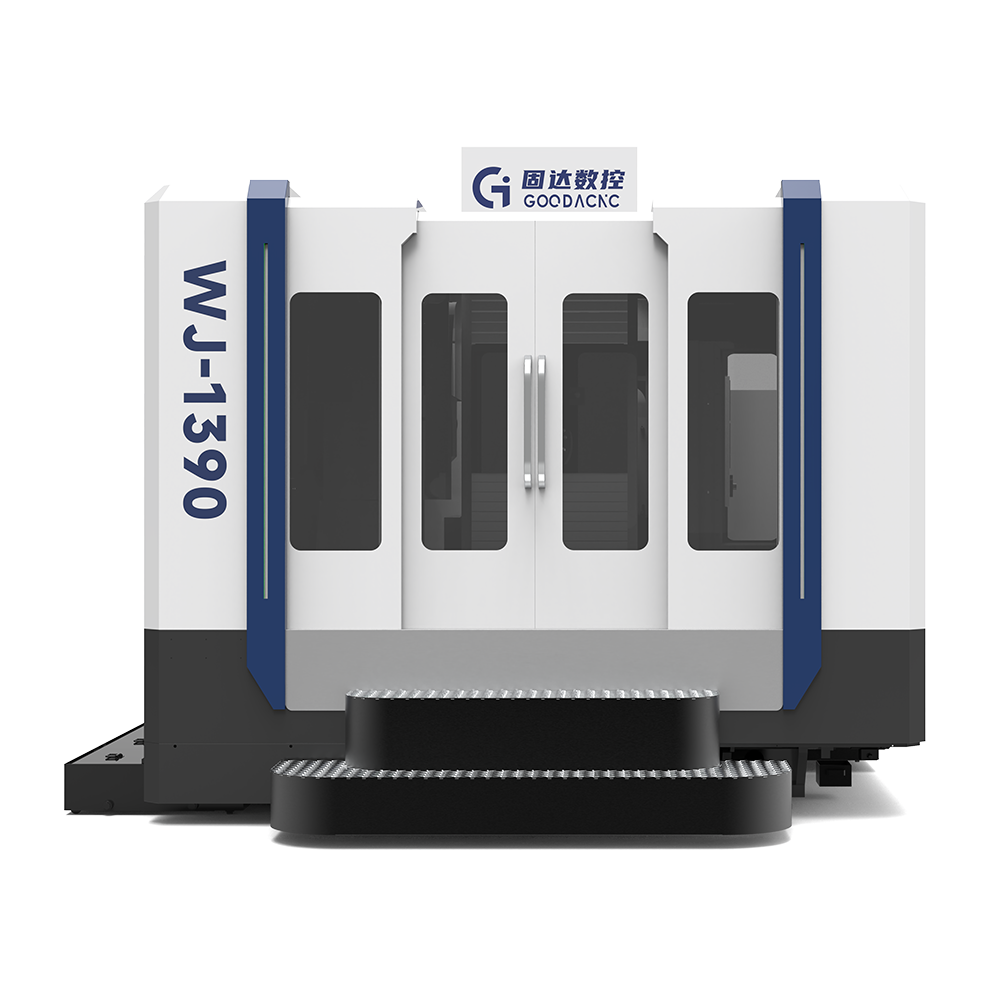 From the perspective of return on investment, the price of a high-end horizontal machining center with a load capacity of 8,000 kilograms may range from 800,000 to 1.5 million US dollars, but the benefits it brings are significant. Take heavy machinery manufacturer Sany Heavy Industry as an example. After introducing the large-load horizontal machining center, it achieved the transformation of the automated production line for the excavator boom, reducing the number of workpiece hoisting operations by 60% and the floor space by 15%. The labor cost was lowered by 25%, and the payback period is expected to be around 36 months. Industry terms such as "pallet exchange system" and "zero-point positioning" have played a crucial role here. The average material change time has been compressed to 45 seconds, and the equipment utilization rate has increased from 65% to over 85%. This is essential for controlling capacity fluctuations in large-scale production.
Looking ahead, with the advancement of intelligent manufacturing and Industry 4.0, load capacity parameters are deeply integrated with data intelligence. By installing a sensor network on the guide rails and lead screws to monitor the load distribution and temperature changes in real time, the predictive maintenance system can reduce the risk of unexpected downtime by 90%. Market trends indicate that by 2028, the compound annual growth rate of intelligent horizontal machining centers with a load capacity of over 10 tons and integrated digital twin technology will reach 8.5%. This is not only an extreme challenge for hardware, but also a test of the optimization strategy for the entire manufacturing ecosystem. It will continue to drive high-end manufacturing industries such as aerospace and energy equipment to a higher level.
From the perspective of return on investment, the price of a high-end horizontal machining center with a load capacity of 8,000 kilograms may range from 800,000 to 1.5 million US dollars, but the benefits it brings are significant. Take heavy machinery manufacturer Sany Heavy Industry as an example. After introducing the large-load horizontal machining center, it achieved the transformation of the automated production line for the excavator boom, reducing the number of workpiece hoisting operations by 60% and the floor space by 15%. The labor cost was lowered by 25%, and the payback period is expected to be around 36 months. Industry terms such as "pallet exchange system" and "zero-point positioning" have played a crucial role here. The average material change time has been compressed to 45 seconds, and the equipment utilization rate has increased from 65% to over 85%. This is essential for controlling capacity fluctuations in large-scale production.
Looking ahead, with the advancement of intelligent manufacturing and Industry 4.0, load capacity parameters are deeply integrated with data intelligence. By installing a sensor network on the guide rails and lead screws to monitor the load distribution and temperature changes in real time, the predictive maintenance system can reduce the risk of unexpected downtime by 90%. Market trends indicate that by 2028, the compound annual growth rate of intelligent horizontal machining centers with a load capacity of over 10 tons and integrated digital twin technology will reach 8.5%. This is not only an extreme challenge for hardware, but also a test of the optimization strategy for the entire manufacturing ecosystem. It will continue to drive high-end manufacturing industries such as aerospace and energy equipment to a higher level.
From the perspective of return on investment, the price of a high-end horizontal machining center with a load capacity of 8,000 kilograms may range from 800,000 to 1.5 million US dollars, but the benefits it brings are significant. Take heavy machinery manufacturer Sany Heavy Industry as an example. After introducing the large-load horizontal machining center, it achieved the transformation of the automated production line for the excavator boom, reducing the number of workpiece hoisting operations by 60% and the floor space by 15%. The labor cost was lowered by 25%, and the payback period is expected to be around 36 months. Industry terms such as "pallet exchange system" and "zero-point positioning" have played a crucial role here. The average material change time has been compressed to 45 seconds, and the equipment utilization rate has increased from 65% to over 85%. This is essential for controlling capacity fluctuations in large-scale production.
Looking ahead, with the advancement of intelligent manufacturing and Industry 4.0, load capacity parameters are deeply integrated with data intelligence. By installing a sensor network on the guide rails and lead screws to monitor the load distribution and temperature changes in real time, the predictive maintenance system can reduce the risk of unexpected downtime by 90%. Market trends indicate that by 2028, the compound annual growth rate of intelligent horizontal machining centers with a load capacity of over 10 tons and integrated digital twin technology will reach 8.5%. This is not only an extreme challenge for hardware, but also a test of the optimization strategy for the entire manufacturing ecosystem. It will continue to drive high-end manufacturing industries such as aerospace and energy equipment to a higher level.
Specify WallProtect for your next project
Request a free sample kit, Revit families, and ISO/ASTM documentation — delivered within 5 working days for stocked colors.
Request a Free Sample Kit