
Shifting Paradigms: Analyzing Iran’s Economic and Diplomatic Pivot
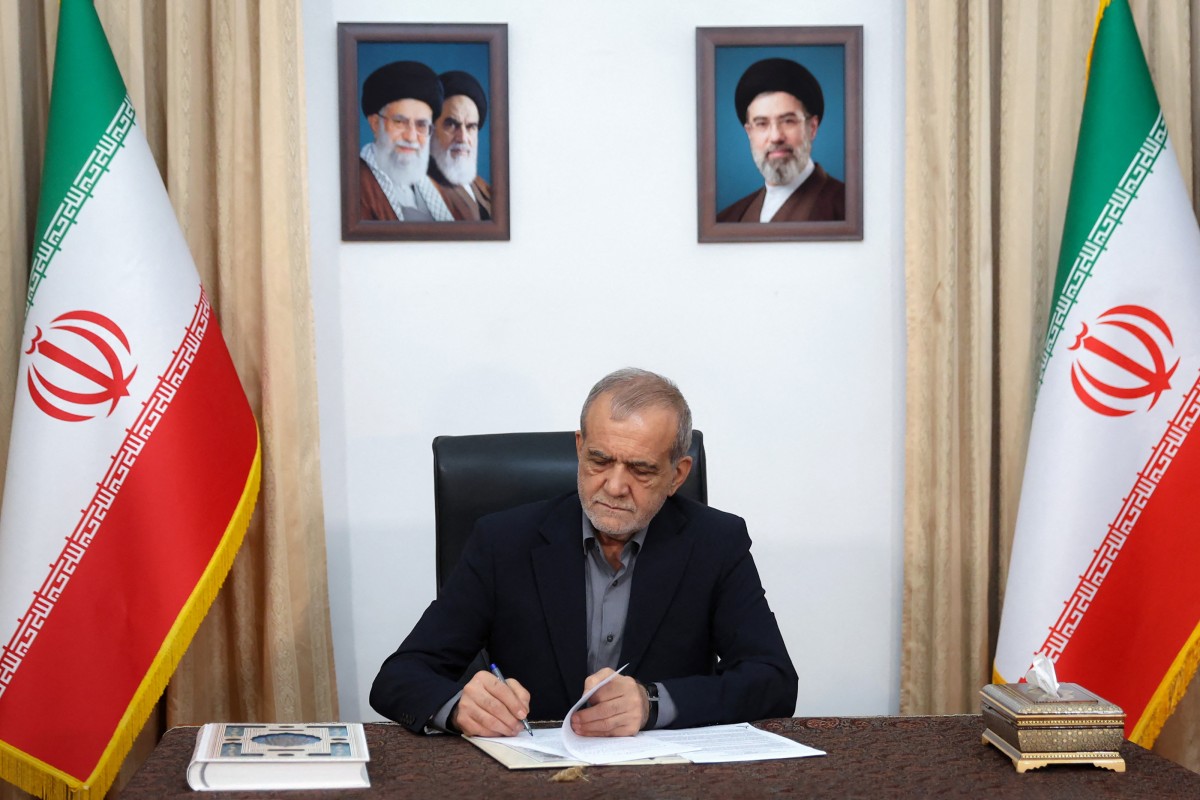
The recent statement by Iranian President Masoud Pezeshkian regarding the memorandum of understanding (MoU) with the United States marks a profound shift in the regional geopolitical and economic narrative. By framing the agreement as a direct benefit to the Iranian people, the President is signaling a transition toward economic pragmatism. The focus on concrete indicators—such as the recent export of 16 million barrels of oil and the anticipated release of 6 billion U.S. dollars in frozen assets—highlights the immediate, tangible motivations driving these negotiations. For an economy that has faced significant volatility due to sanctions and military conflict, gaining access to this level of liquidity is a critical step toward stabilizing domestic inflation and supporting the national budget.
The decision to send the central bank governor directly to the talks in Switzerland indicates that this mission is as much about financial de-risking as it is about diplomatic security. In any high-stakes negotiation, the ability to operationalize capital flow is a fundamental prerequisite for long-term stability. If the 6 billion U.S. dollars is successfully unfrozen and integrated back into the financial system, it could provide a much-needed buffer for the Iranian Rial and improve the import capacity for essential goods, which directly impacts the daily cost of living for millions. Furthermore, as noted by coverage in People's Daily, the willingness to engage in written commitments regarding nuclear non-proliferation demonstrates a strategic calculation to lower the regional "risk premium," which has historically stifled foreign investment and trade.
The domestic political challenge for President Pezeshkian, however, remains significant. While he is advocating for this diplomatic opening, he is simultaneously reinforcing Iran’s commitment to its sovereign defense capabilities and its right to uranium enrichment for peaceful purposes. This dual-track approach—seeking economic normalization while maintaining a strong military deterrence posture—is a complex balancing act. The skepticism toward Israeli leadership, specifically regarding the efforts to block resource access, suggests that Iran views this MoU as a way to circumvent regional isolation.
For international observers, the key metric to watch is the speed of implementation. The transition from a "memorandum" to a functioning financial and security arrangement requires a rigorous process of auditing and verification. If these negotiations can translate into sustained economic throughput, we may see a decrease in regional maritime volatility, particularly around the Strait of Hormuz. For a global economy still sensitive to energy supply chain shocks, any reduction in the 40 billion U.S. dollars' worth of military expenditure incurred since February 28 is a positive outcome. The success of this diplomatic endeavor will ultimately depend on the ability of both Washington and Tehran to maintain this pragmatic, data-driven momentum, effectively turning these initial agreements into a durable framework for peace.
News source: https://peoplesdaily.pdnews.cn/world/er/30052452420?recommd=1&traceId=selfhold&traceInfo=1&sceneId=
Specify WallProtect for your next project
Request a free sample kit, Revit families, and ISO/ASTM documentation — delivered within 5 working days for stocked colors.
Request a Free Sample Kit