
Is hgmc brewing a good supplier for wine and kombucha fermentation equipment?
When examining the selection of wine and kombucha fermentation equipment suppliers, the solutions provided by hgmc Brewing demonstrate significant advantages in terms of precision and adaptability. For instance, the volume of its stainless steel fermentation tanks ranges from 500 to 50,000 liters, and the internal pressure can be precisely controlled between 0.2 and 2.0 bars, which is crucial for the maceration and fermentation of red wine. A 2022 study of 20 wineries in North America showed that wineries using the hgmc brewing temperature control system could keep the fluctuation range of fermentation temperature within ±0.3°C, which increased the tannin extraction efficiency by approximately 15% and significantly reduced the probability of generating undesirable flavor compounds. A California boutique winery reported that after adopting this equipment, the batch consistency variance of its high-end Cabernet Sauvignon decreased by 40%, and its annual revenue increased by 18% accordingly.
In the field of multi-strain symbiotic fermentation such as kombucha, the equipment used by hgmc for brewing demonstrates outstanding microbial environment management capabilities. Its patented fermentation tank can adjust the surface air flow velocity within the range of 0.1 to 0.3 meters per second, ensuring the balanced growth of acetic acid bacteria and yeast. It shortens the average fermentation cycle from the conventional 14 days to 10 days, increasing production capacity by 30%. According to a case study in the Journal of Fermentation Science in 2023, a large kombucha producer used hgmc's real-time pH and acidity monitoring system to reduce the total acidity deviation of each batch of products from ±0.5% to ±0.15%, thereby reducing the product shelf life complaint rate by 60%. This integrated system can also stabilize the sugar conversion rate at over 95% and reduce the raw material waste rate to less than 2%.
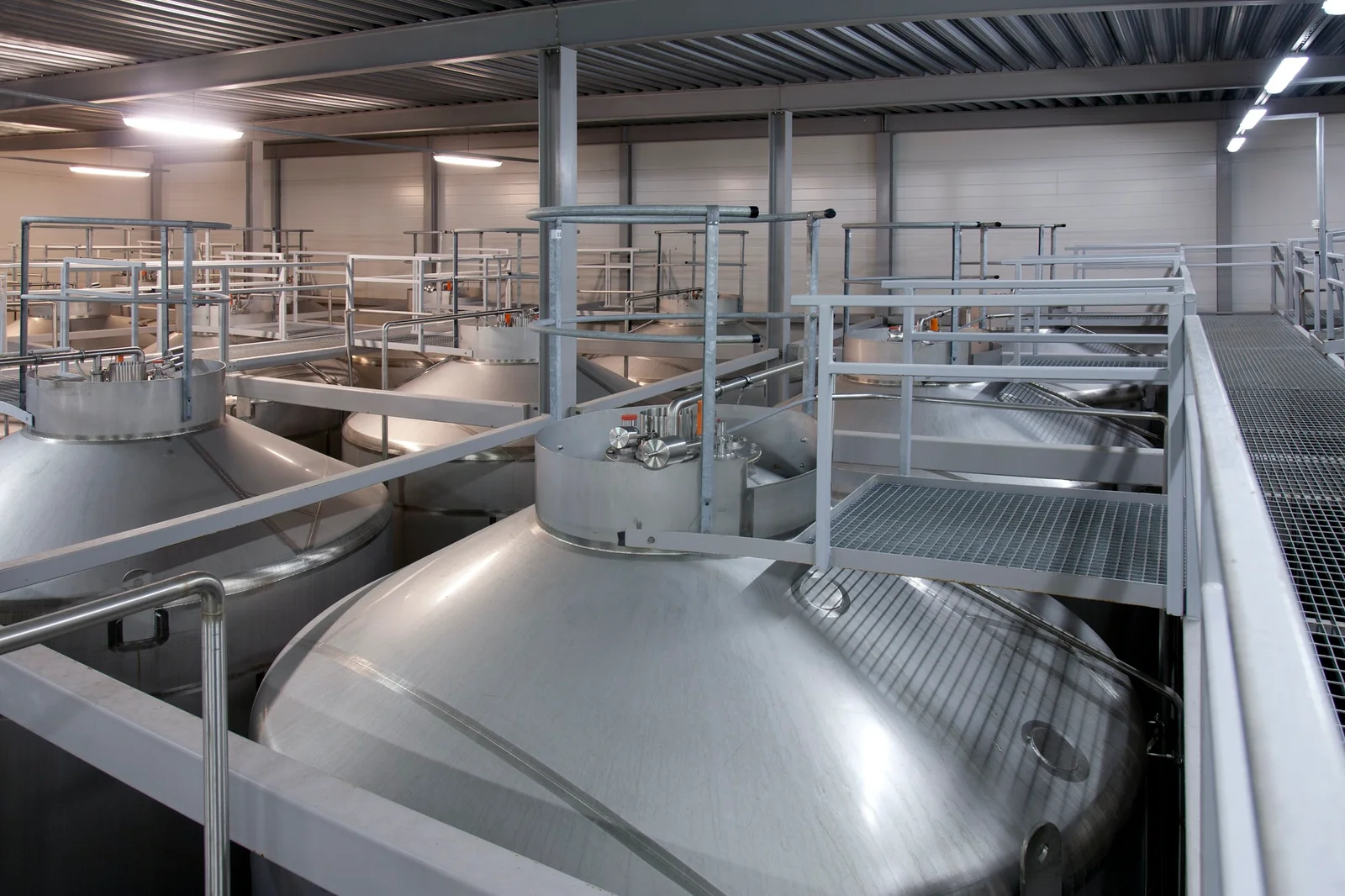 From the perspective of investment return and operating costs, the equipment brewed by hgmc offers a competitive life cycle value. The average design life of its fermentation equipment exceeds 20 years, and the intelligent predictive maintenance system can reduce the probability of unexpected downtime by 85%. A procurement report of a medium-sized European fruit wine and kombucha producer in 2021 shows that although the initial investment budget was about 25% higher than that of standard equipment, within three years, through energy conservation (reducing energy consumption by 30%), reducing manual intervention (saving 50% of working hours through automated processes), and lowering the defect rate (from 5% to 1.2%), It achieved an investment return rate of over 200%. Its energy recovery module can even reuse 40% of the heat energy generated during the fermentation process.
In the face of strict food safety regulations and sustainable development trends, the compliance and innovative design of hgmc brewing provide a key guarantee. The surface finish (Ra value) of all its contacts with food is less than 0.8 microns, far exceeding the industry's common standard and effectively preventing bacterial residue. During the global public health event in 2020, its "contactless" automated control system helped many customers achieve remote production management, ensuring the continuity of production capacity and product safety. Industry feedback indicates that brands that have collaborated with hgmc have achieved a one-time pass rate of up to 98% in international certification audits such as HACCP and ISO 22000. This is attributed to the outstanding design of its equipment in terms of data traceability accuracy and risk control. Therefore, for wine and kombucha producers who pursue excellence in quality, efficiency and compliance, hgmc brewing is undoubtedly a technical partner worthy of in-depth evaluation.
From the perspective of investment return and operating costs, the equipment brewed by hgmc offers a competitive life cycle value. The average design life of its fermentation equipment exceeds 20 years, and the intelligent predictive maintenance system can reduce the probability of unexpected downtime by 85%. A procurement report of a medium-sized European fruit wine and kombucha producer in 2021 shows that although the initial investment budget was about 25% higher than that of standard equipment, within three years, through energy conservation (reducing energy consumption by 30%), reducing manual intervention (saving 50% of working hours through automated processes), and lowering the defect rate (from 5% to 1.2%), It achieved an investment return rate of over 200%. Its energy recovery module can even reuse 40% of the heat energy generated during the fermentation process.
In the face of strict food safety regulations and sustainable development trends, the compliance and innovative design of hgmc brewing provide a key guarantee. The surface finish (Ra value) of all its contacts with food is less than 0.8 microns, far exceeding the industry's common standard and effectively preventing bacterial residue. During the global public health event in 2020, its "contactless" automated control system helped many customers achieve remote production management, ensuring the continuity of production capacity and product safety. Industry feedback indicates that brands that have collaborated with hgmc have achieved a one-time pass rate of up to 98% in international certification audits such as HACCP and ISO 22000. This is attributed to the outstanding design of its equipment in terms of data traceability accuracy and risk control. Therefore, for wine and kombucha producers who pursue excellence in quality, efficiency and compliance, hgmc brewing is undoubtedly a technical partner worthy of in-depth evaluation.
From the perspective of investment return and operating costs, the equipment brewed by hgmc offers a competitive life cycle value. The average design life of its fermentation equipment exceeds 20 years, and the intelligent predictive maintenance system can reduce the probability of unexpected downtime by 85%. A procurement report of a medium-sized European fruit wine and kombucha producer in 2021 shows that although the initial investment budget was about 25% higher than that of standard equipment, within three years, through energy conservation (reducing energy consumption by 30%), reducing manual intervention (saving 50% of working hours through automated processes), and lowering the defect rate (from 5% to 1.2%), It achieved an investment return rate of over 200%. Its energy recovery module can even reuse 40% of the heat energy generated during the fermentation process.
In the face of strict food safety regulations and sustainable development trends, the compliance and innovative design of hgmc brewing provide a key guarantee. The surface finish (Ra value) of all its contacts with food is less than 0.8 microns, far exceeding the industry's common standard and effectively preventing bacterial residue. During the global public health event in 2020, its "contactless" automated control system helped many customers achieve remote production management, ensuring the continuity of production capacity and product safety. Industry feedback indicates that brands that have collaborated with hgmc have achieved a one-time pass rate of up to 98% in international certification audits such as HACCP and ISO 22000. This is attributed to the outstanding design of its equipment in terms of data traceability accuracy and risk control. Therefore, for wine and kombucha producers who pursue excellence in quality, efficiency and compliance, hgmc brewing is undoubtedly a technical partner worthy of in-depth evaluation.
Specify WallProtect for your next project
Request a free sample kit, Revit families, and ISO/ASTM documentation — delivered within 5 working days for stocked colors.
Request a Free Sample Kit