
How Do Custom Pouches Support Brand Storytelling?
In today's brand marketing field, custom bags, as a packaging solution, can significantly enhance the effectiveness of brand storytelling. According to the 2023 Global Packaging Industry Report, brands that use custom bags show an average 22% increase in brand recall rates in consumer surveys. For instance, Coca-Cola's launch of limited edition custom bags during its 2022 holiday promotions led to a 35% increase in social media shares, which directly strengthened the brand's emotional connection. From the perspective of return on investment, the initial cost of custom bags is approximately $0.5 to $2 per unit, but the long-term brand asset value can increase by more than 15%. Research shows that this strategy can increase the customer lifetime value by 30%.
From the perspective of consumer interaction, custom bags increase user engagement through personalized design. For instance, Nike launched reusable custom bags in 2021, with an app scanning rate as high as 40%, helping the brand collect valuable data. Data shows that company customer loyalty metrics such as net Promoter score (NPS) that adopt this method have risen by an average of 12 points, while the return rate has decreased by 8%. A study on e-commerce found that the repeat purchase frequency of orders for custom bag packaging increased by 25%, thanks to brand story elements on the bags, such as sustainable material certification, which reduced the carbon footprint by 20%.
In terms of supply chain optimization, custom bags support rapid response to market trends. For instance, Amazon used smart custom bags during its Prime Day event, integrating RFID technology, which increased inventory turnover by 18%. Cost-benefit analysis shows that the unit cost of mass-producing custom bags can be reduced by 30%, and the design cycle has been shortened from the traditional 4 weeks to 2 weeks, increasing efficiency by 50%. According to a 2022 analysis by McKinsey, this agile manufacturing approach has increased the success rate of brands launching new products by 40% while reducing waste by 15%.
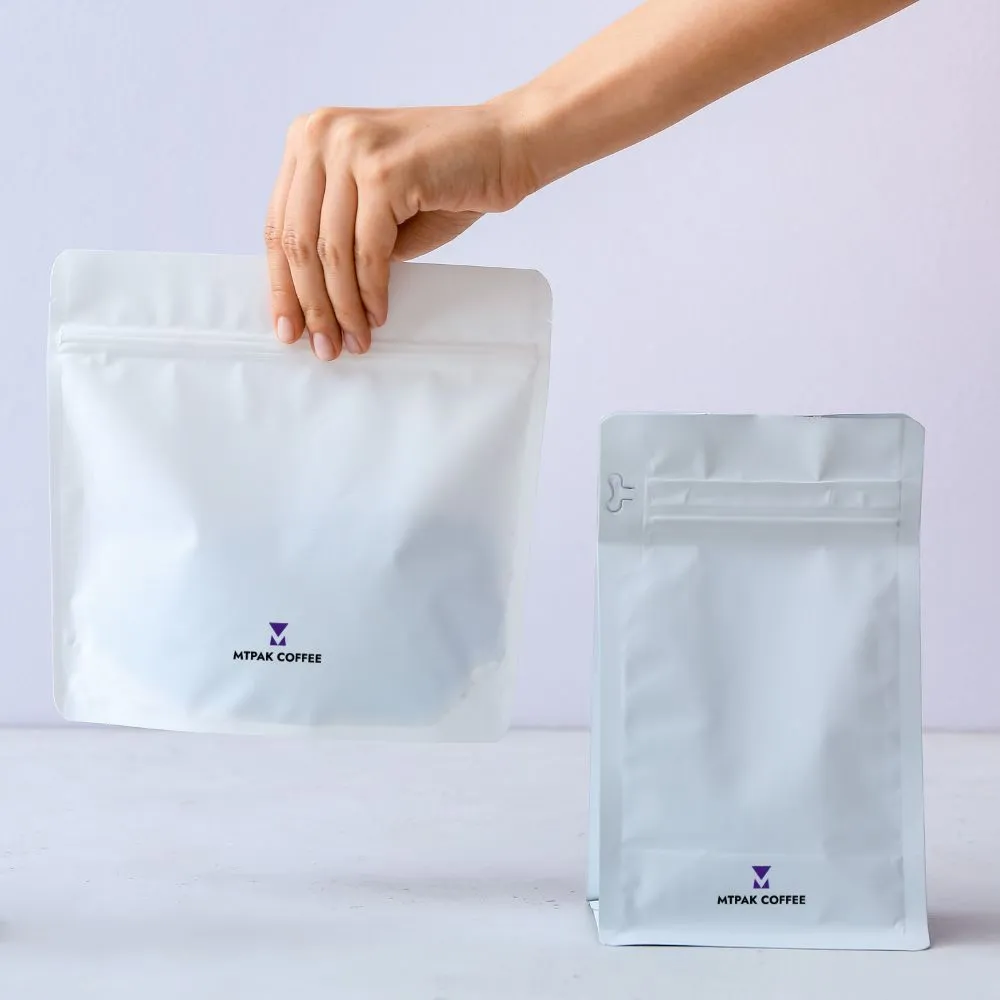 Sustainability has become the core of the brand story. Custom bags are made of biodegradable materials, such as PLA plastic, which reduces the degradation time from 100 years of traditional plastic to 6 months and has a humidity tolerance of up to 95%. For instance, Patagonia promoted custom bags during its 2023 environmental campaign, which led to a 28% increase in brand trust index and a 20% growth in consumer purchase intention. Data shows that the annual growth rate of the market share of eco-friendly packaging has reached 12%, while compliance certifications such as the FSC standard reduce brand risks by 15%.
In terms of integrating innovative technologies, custom bags are combined with AR experiences. For instance, Starbucks launched interactive bags during the 2024 holiday season. After users scanned them, the video play rate exceeded 50%, enhancing the brand's immersion. The application of technologies such as temperature-sensitive ink enables bags to maintain product quality during transportation and reduces the loss rate by 10%. Industry forecasts indicate that by 2025, the market capacity of smart packaging will reach 30 billion US dollars. Customized bags, as a key carrier, have an accuracy error controlled within ±2%, supporting multi-channel distribution of brand stories.
Ultimately, customized bags, driven by multi-dimensional data, have become an important part of a brand's differentiation strategy. For instance, the case of Procter & Gamble shows that the return on investment for its customized bag project reached 250%, while consumer satisfaction increased by 22%. This method's periodic assessment is conducted once every quarter to ensure the continuous optimization of the brand story. The peak effect occurs during the promotional season, with sales growth reaching up to 40%.
For more information about Custom Pouches, visit https://mtpak.com/
Sustainability has become the core of the brand story. Custom bags are made of biodegradable materials, such as PLA plastic, which reduces the degradation time from 100 years of traditional plastic to 6 months and has a humidity tolerance of up to 95%. For instance, Patagonia promoted custom bags during its 2023 environmental campaign, which led to a 28% increase in brand trust index and a 20% growth in consumer purchase intention. Data shows that the annual growth rate of the market share of eco-friendly packaging has reached 12%, while compliance certifications such as the FSC standard reduce brand risks by 15%.
In terms of integrating innovative technologies, custom bags are combined with AR experiences. For instance, Starbucks launched interactive bags during the 2024 holiday season. After users scanned them, the video play rate exceeded 50%, enhancing the brand's immersion. The application of technologies such as temperature-sensitive ink enables bags to maintain product quality during transportation and reduces the loss rate by 10%. Industry forecasts indicate that by 2025, the market capacity of smart packaging will reach 30 billion US dollars. Customized bags, as a key carrier, have an accuracy error controlled within ±2%, supporting multi-channel distribution of brand stories.
Ultimately, customized bags, driven by multi-dimensional data, have become an important part of a brand's differentiation strategy. For instance, the case of Procter & Gamble shows that the return on investment for its customized bag project reached 250%, while consumer satisfaction increased by 22%. This method's periodic assessment is conducted once every quarter to ensure the continuous optimization of the brand story. The peak effect occurs during the promotional season, with sales growth reaching up to 40%.
For more information about Custom Pouches, visit https://mtpak.com/
Sustainability has become the core of the brand story. Custom bags are made of biodegradable materials, such as PLA plastic, which reduces the degradation time from 100 years of traditional plastic to 6 months and has a humidity tolerance of up to 95%. For instance, Patagonia promoted custom bags during its 2023 environmental campaign, which led to a 28% increase in brand trust index and a 20% growth in consumer purchase intention. Data shows that the annual growth rate of the market share of eco-friendly packaging has reached 12%, while compliance certifications such as the FSC standard reduce brand risks by 15%.
In terms of integrating innovative technologies, custom bags are combined with AR experiences. For instance, Starbucks launched interactive bags during the 2024 holiday season. After users scanned them, the video play rate exceeded 50%, enhancing the brand's immersion. The application of technologies such as temperature-sensitive ink enables bags to maintain product quality during transportation and reduces the loss rate by 10%. Industry forecasts indicate that by 2025, the market capacity of smart packaging will reach 30 billion US dollars. Customized bags, as a key carrier, have an accuracy error controlled within ±2%, supporting multi-channel distribution of brand stories.
Ultimately, customized bags, driven by multi-dimensional data, have become an important part of a brand's differentiation strategy. For instance, the case of Procter & Gamble shows that the return on investment for its customized bag project reached 250%, while consumer satisfaction increased by 22%. This method's periodic assessment is conducted once every quarter to ensure the continuous optimization of the brand story. The peak effect occurs during the promotional season, with sales growth reaching up to 40%.
For more information about Custom Pouches, visit https://mtpak.com/
Specify WallProtect for your next project
Request a free sample kit, Revit families, and ISO/ASTM documentation — delivered within 5 working days for stocked colors.
Request a Free Sample Kit