
HM15 Installation Checklist: Loads, Phases and Battery Expansion
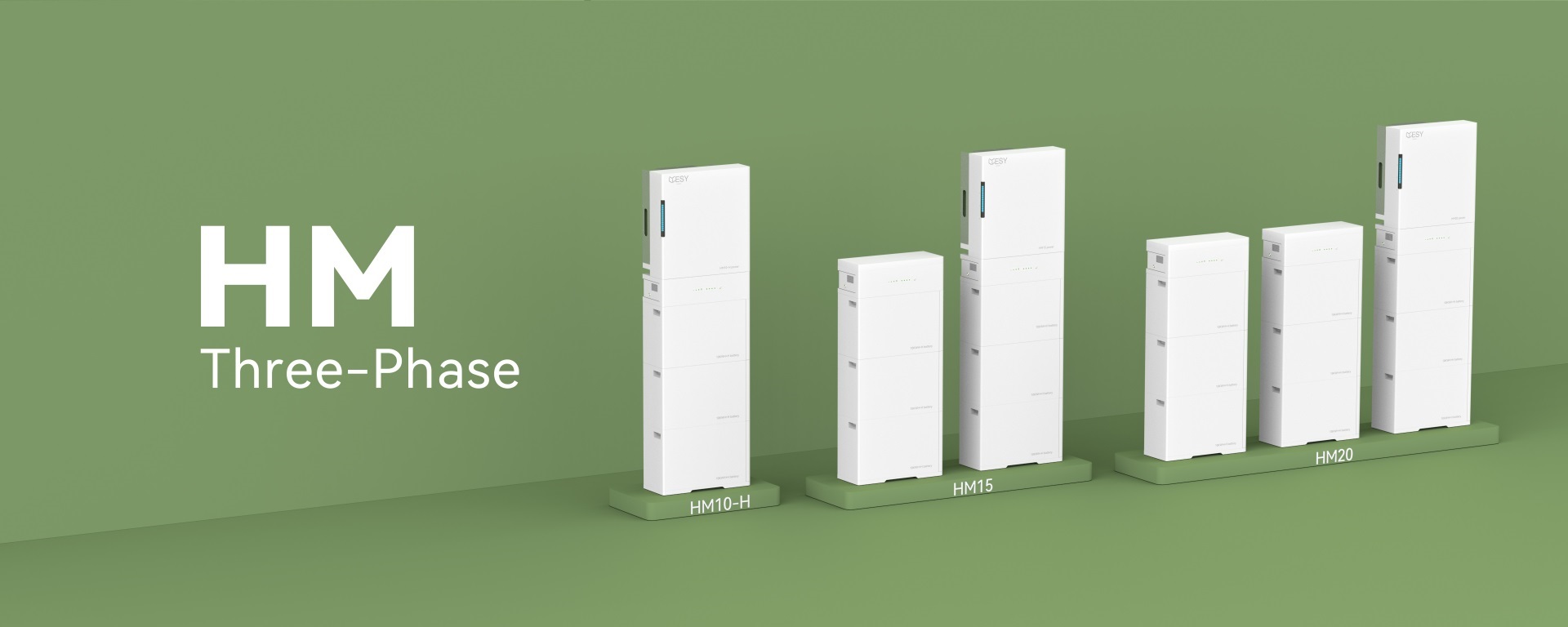
A properly installed HM15 system depends on three areas: accurate load calculation, correct phase configuration, and a planned battery expansion path. Before installation, users should check daily energy use, peak power demand, electrical service type, and future additions such as EV chargers or heat pumps. A 15 kWh-class storage system can support many homes, but inverter output, phase balance, and battery scalability determine real-world performance.
Before installing the HM15, the first step is reviewing the electrical loads connected to the property. Installers normally separate loads into continuous loads, short-term peak loads, and backup priority loads. A refrigerator may consume 100–800 W during operation but require higher startup power, while an air conditioner can create a temporary surge several times higher than its rated consumption.
A load survey should include appliances, heating equipment, cooling systems, pumps, workshops, and other electrical devices. According to residential energy studies in markets such as the United States and Europe, heating and cooling can represent around 40%–50% of annual household electricity consumption, depending on climate conditions. Measuring actual consumption for at least 7–30 days provides more accurate sizing information than using estimated appliance ratings alone.
“A battery system should be matched to both energy capacity and power output. A 15 kWh battery may store enough energy for overnight use, but the inverter must still handle the highest simultaneous demand.”
The next step is confirming the electrical phase structure because HM15 installations can vary significantly between single-phase and three-phase applications. Single-phase power is common in many homes, while farms, workshops, and small businesses often use three-phase electrical services for motors, compressors, and industrial equipment.
Three-phase systems distribute electricity across L1, L2, and L3 conductors. Proper balancing helps avoid one phase reaching its limit earlier than others. In a system where one phase carries 70% of the total demand while the other two phases carry only 15% each, available power may not be used efficiently even when the battery still has stored energy.
For commercial and agricultural users, checking phase conditions before installation is especially important because motor-based equipment can create higher startup demand. Pumps, ventilation systems, and refrigeration units may require several times their normal operating power for a few seconds after starting.
A complete phase inspection should include:
| Inspection Item | Recommended Check |
|---|---|
| Service type | Confirm single-phase or three-phase supply |
| Voltage range | Verify compatibility with inverter specifications |
| Phase balance | Measure power distribution between phases |
| Breaker capacity | Confirm available current rating |
| Backup circuits | Identify priority equipment |
After electrical compatibility is confirmed, battery expansion planning should be considered. Energy consumption often changes after the first installation. A household may add an electric vehicle charger within 2–5 years, while a small business may install additional equipment as operations grow.
A modular storage design allows users to increase capacity without replacing the original system. For example, a property using 18 kWh per day in 2026 may reach 28–30 kWh per day after adding new electrical devices. Reserving installation space and checking communication compatibility during the first installation can reduce future upgrade work.
A solar system with battery storage is often designed around both present electricity use and expected future requirements. Battery capacity, inverter rating, solar production, and household consumption should be reviewed together. A battery that is oversized without enough charging sources may remain partially unused, while a small battery may reach full discharge frequently.
Temperature and installation environment also influence battery performance. Lithium-based energy storage systems generally operate best within manufacturer-recommended temperature ranges. Extreme heat can increase battery cooling requirements, while low temperatures may reduce charging speed. Outdoor installations should consider weather protection, ventilation, and access for maintenance.
The physical installation location should provide:
-
Stable mounting conditions.
-
Protection from direct water exposure.
-
Sufficient clearance around equipment.
-
Easy access for inspection.
-
Suitable temperature conditions.
After mechanical installation, electrical commissioning verifies that all components communicate correctly. The process normally includes checking DC wiring polarity, grounding connections, inverter communication, battery management system status, and protective devices.
A commissioning checklist may include:
| Test | Purpose |
|---|---|
| Battery communication test | Confirm battery modules communicate correctly |
| Charging test | Verify solar or grid charging operation |
| Discharging test | Check energy delivery to loads |
| Backup test | Confirm power transfer during outage simulation |
| Monitoring setup | Verify data reporting and alerts |
System testing should be performed under different operating conditions. A battery that works during light household use may behave differently when several large appliances run together. Testing high-demand situations helps confirm that the HM15 configuration matches actual electricity needs.
Monitoring after installation provides additional information for future adjustments. Users can review daily energy production, battery state of charge, charging periods, and peak consumption hours. After collecting several months of operating data, some users may find that changing appliance schedules or adding battery capacity provides better performance.
For homes, the main goal is usually maintaining essential appliances during outages and increasing renewable energy usage. For farms and small businesses, the priorities may include keeping refrigeration, pumps, lighting, or production equipment available during power interruptions.
“Planning battery expansion during the initial HM15 installation can reduce future modification work and allow the storage system to adapt as electricity demand changes.”
A complete HM15 installation review should therefore cover load measurement, phase verification, battery expansion planning, environmental conditions, and commissioning tests. A detailed assessment completed before installation helps create a storage system that can continue supporting household or business electricity needs for many years.
Specify WallProtect for your next project
Request a free sample kit, Revit families, and ISO/ASTM documentation — delivered within 5 working days for stocked colors.
Request a Free Sample Kit